
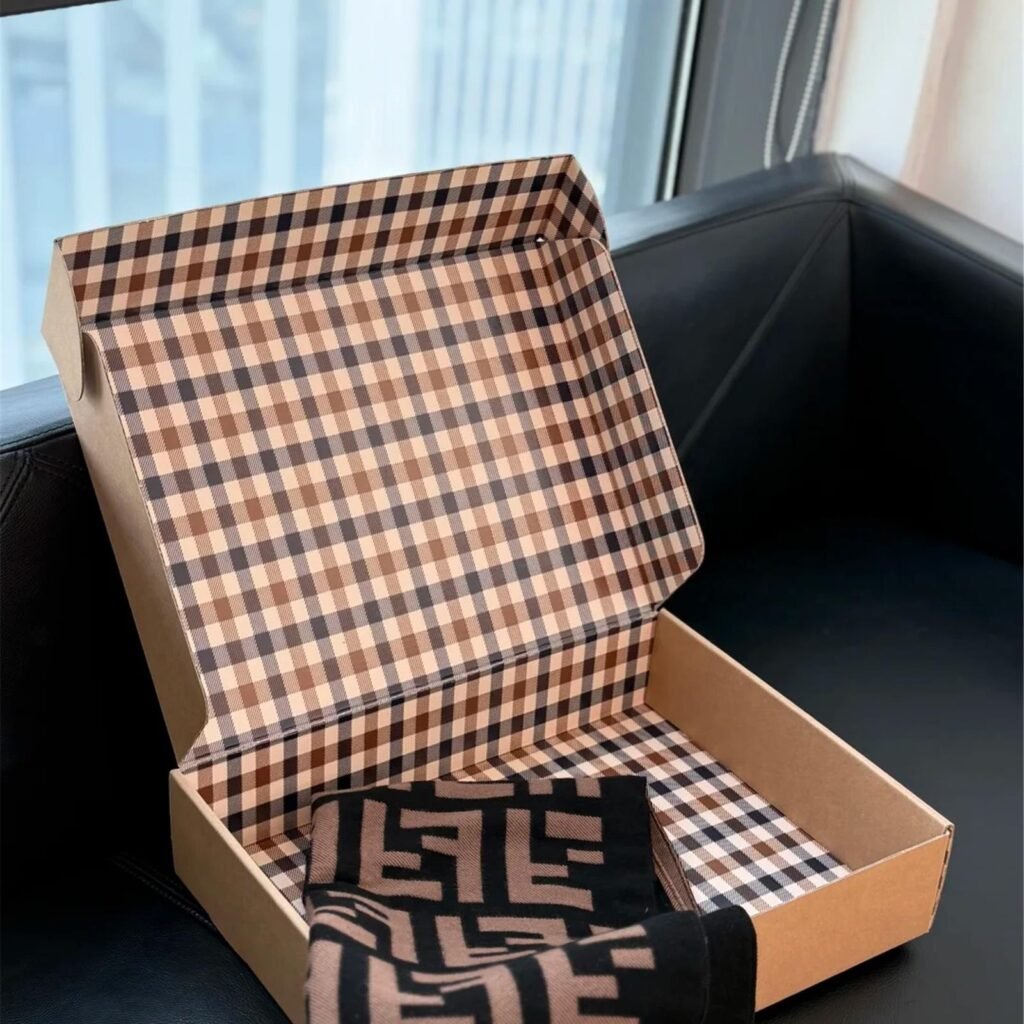
For fashion and apparel brands, the box your product ships in is no longer just a shipping vessel. It is the first physical impression a customer forms of your brand, and it directly influences whether that customer comes back for a second purchase. Two structures dominate the apparel packaging landscape today: book-style rigid boxes and corrugated mailer boxes. Each serves a distinct purpose, and choosing the wrong one can cost you margin, damage your brand, or create unnecessary waste in your supply chain.
This guide walks you through the structural differences, the customer experience tradeoffs, and the cost implications of each option. By the end, you will be able to decide whether a premium rigid box justifies the added expense for your product line, or whether a well-designed mailer box delivers enough perceived value while keeping your shipping costs under control.
Book-Style Rigid Boxes: The Premium Unboxing Choice
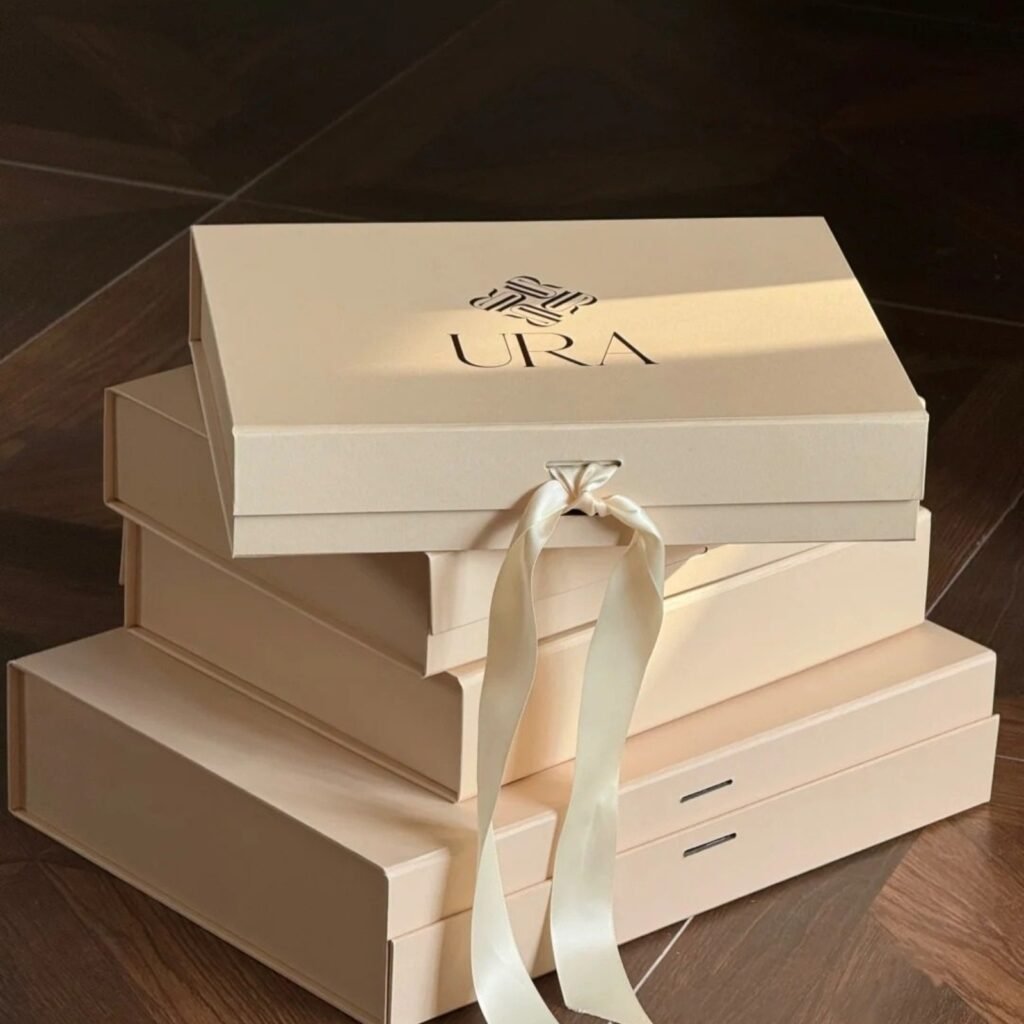
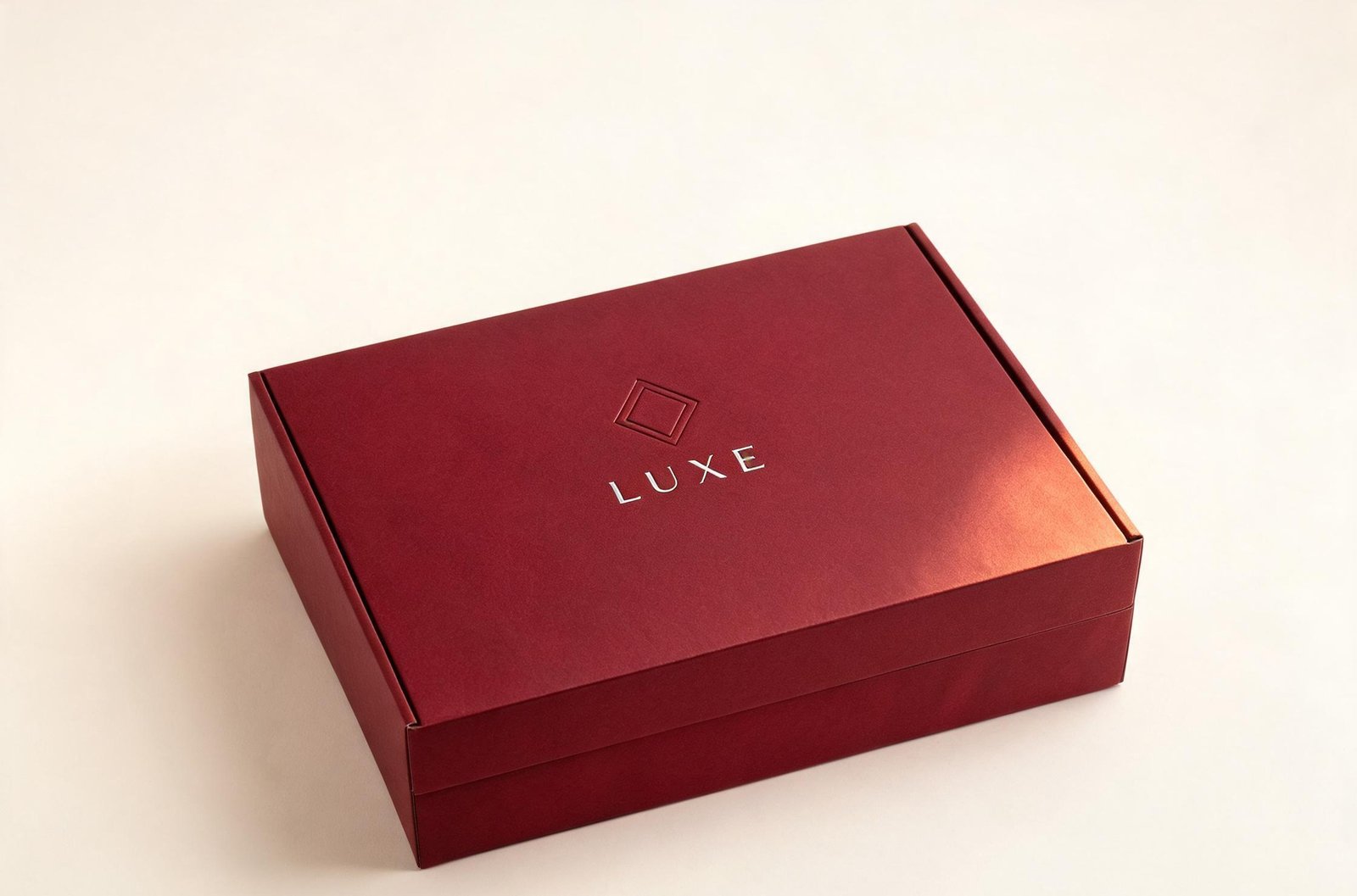
Book-style rigid boxes get their name from the way they open: a hinged lid flips up just like the cover of a book, exposing the full interior in one smooth motion. The structure is built from thick greyboard wrapped in printed paper, giving it a solid, substantial feel that immediately signals quality. For apparel brands positioning themselves as premium or luxury, this single tactile detail does more marketing work than any printed copy on the box itself.
The construction process involves wrapping a rigid greyboard core with printed paper, then adding a magnetic closure or ribbon pull tab to hold the lid in place. Because the board is thick and rigid, the box maintains its shape through multiple shipping cycles and can be reused by the customer for storage. This reusability extends your brand presence long after the original purchase.
Book-style rigid boxes are ideal for high-value apparel items such as designer knits, tailored suits, limited-edition sneakers, or premium athleisure sets. They also work well for subscription boxes that ship on a recurring schedule, where the unboxing ritual is part of the product experience.
Finishing options are where rigid boxes truly shine. Soft-touch lamination gives the paper a velvet-like texture that feels expensive in the hand. Foil stamping in gold, silver, or rose gold adds a metallic accent to your logo or pattern. Embossing and debossing create raised or recessed textures that invite the customer to touch the box. These finishes are applied during production and do not add significant lead time, but they do increase the unit cost. For apparel brands competing on perceived quality, the investment is almost always worth it.
Explore our full book-style box catalog and the dedicated book-style rigid apparel boxes product page for structural examples and finish options.
Mailer Boxes: The Cost-Efficient Workhorse
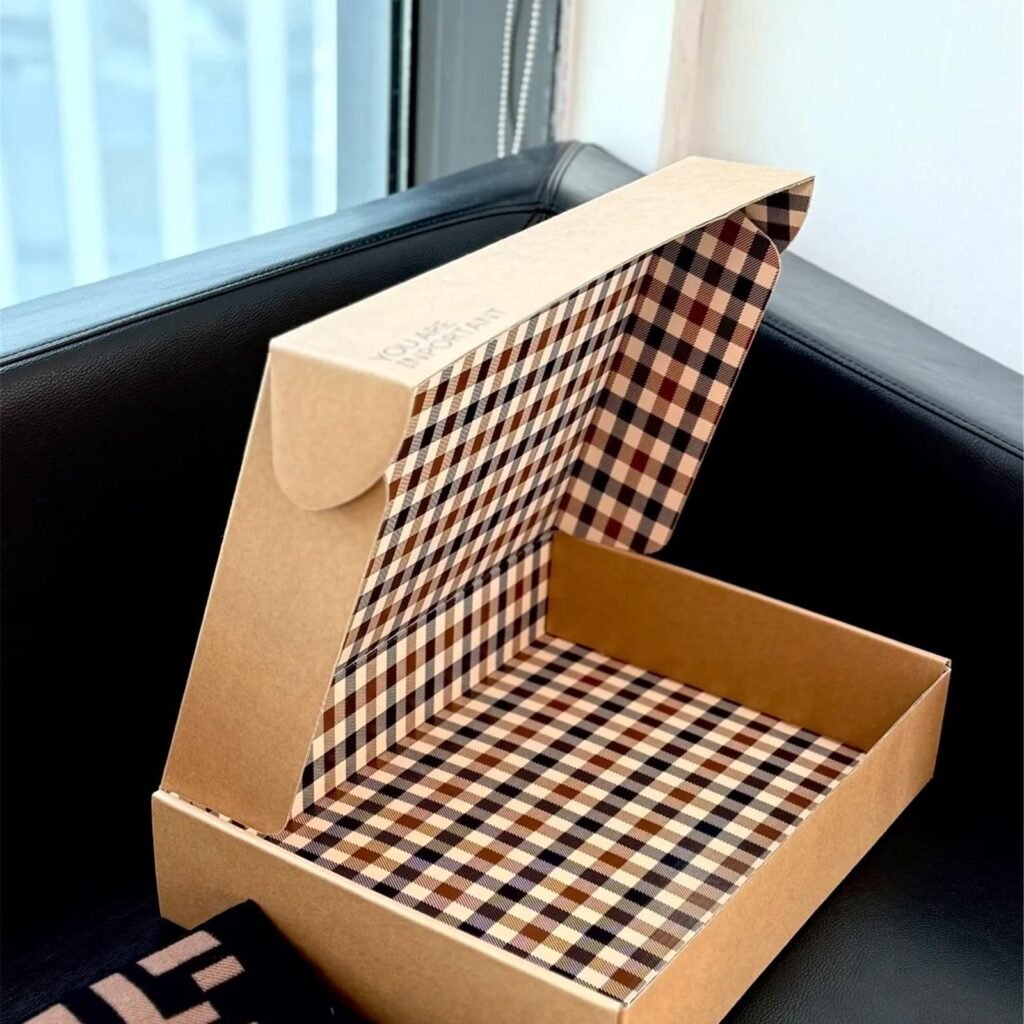
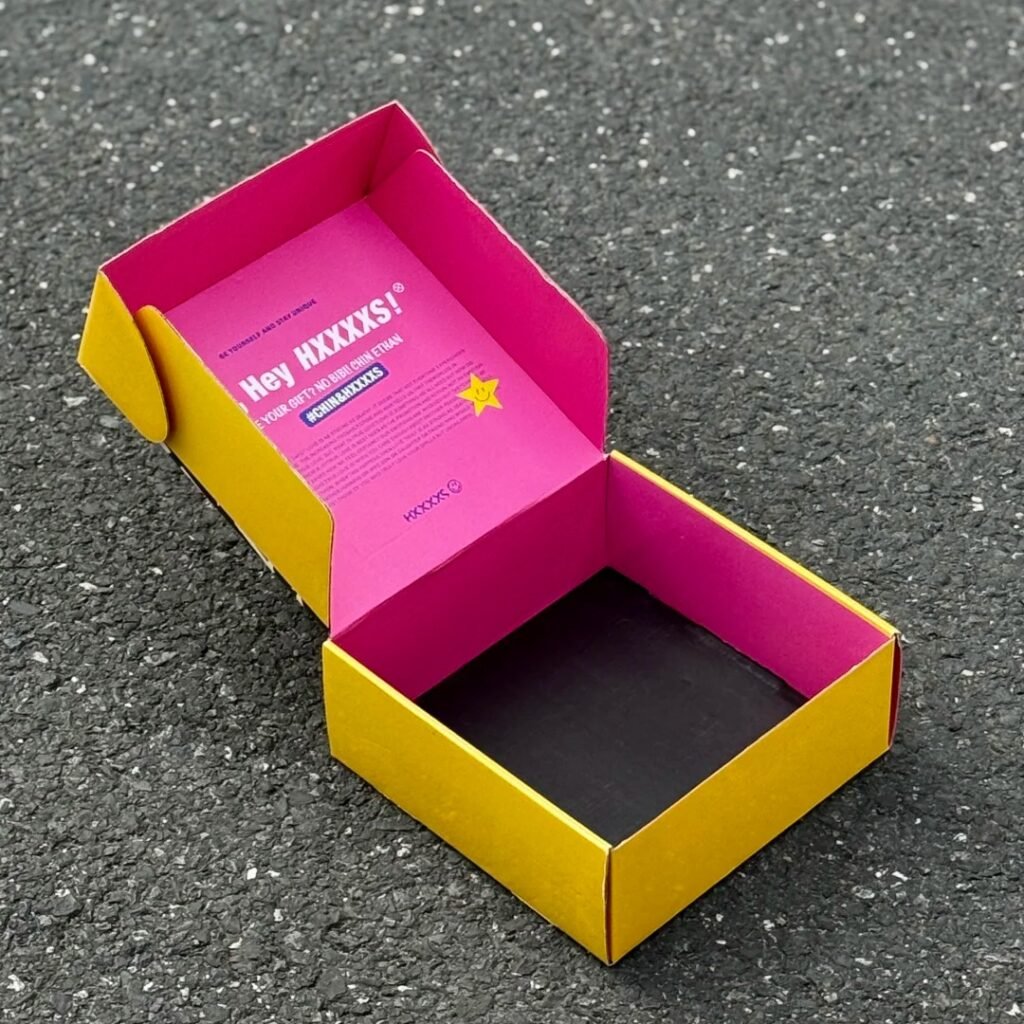
Corrugated mailer boxes are the workhorse of DTC apparel shipping. Made from E-flute corrugated board, they fold flat for storage, snap together without tape, and close with a tuck flap or peel-and-seal strip. The structural efficiency of a mailer box means lower material cost per unit, lower shipping weight, and faster packing times in your fulfillment center.
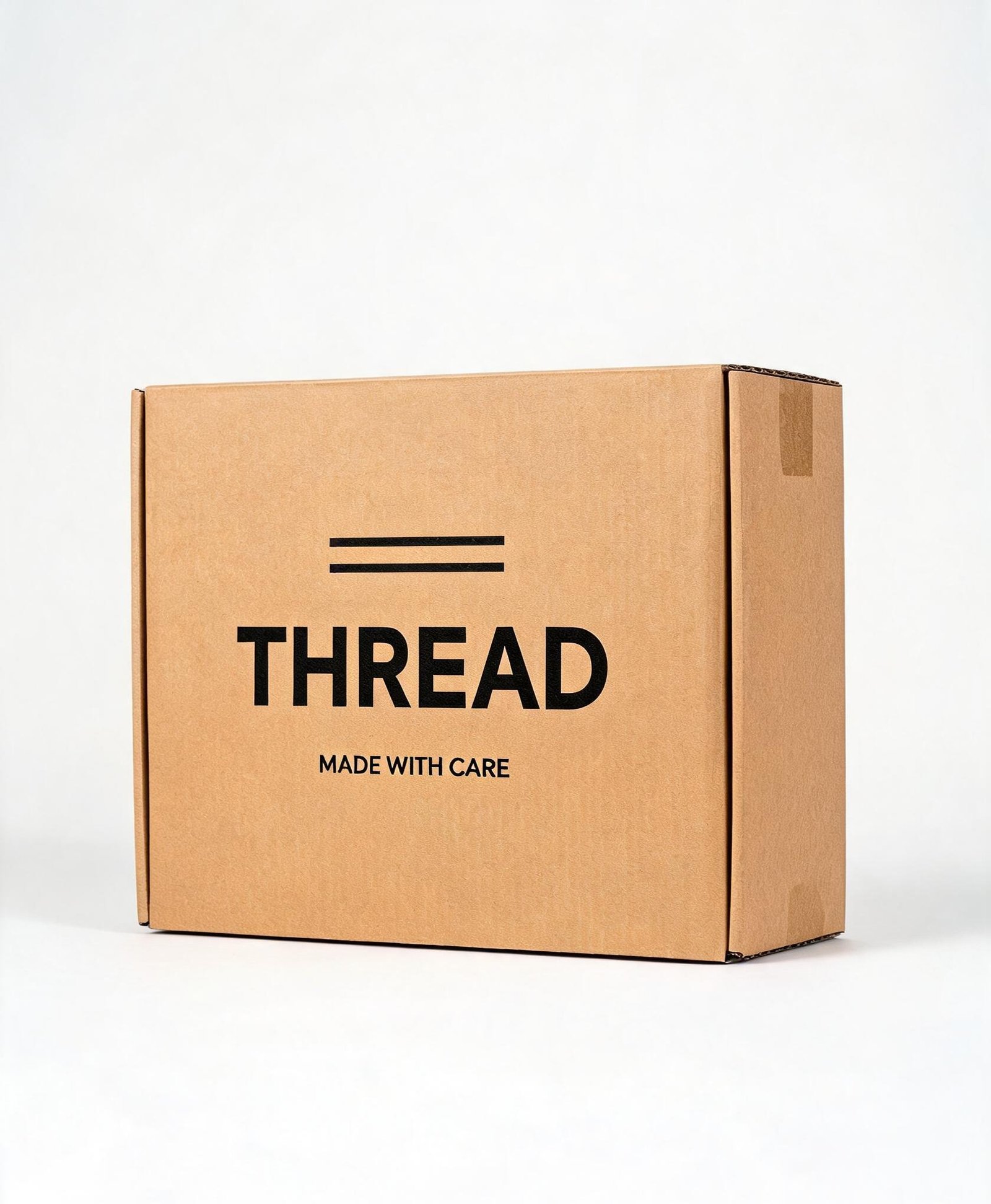
What many brands underestimate is how customizable a mailer box can be. Full-color flexographic or offset printing directly onto the corrugated board means your brand logo, color palette, and messaging reach the customer the moment the box arrives. A well-printed mailer box can deliver a strong brand impression at a fraction of the cost of a rigid box.
Mailer boxes are the right choice for everyday apparel shipments, including t-shirts, hoodies, leggings, and accessories. They are also the preferred structure for brands with high-volume subscription models where per-unit cost must be tightly controlled.
One underused advantage of mailer boxes is the ability to print on every exterior panel. The top flap, the two side panels, and the front panel all provide printable real estate for your logo, tagline, or seasonal campaign. Because the print is applied directly to the corrugated board, there is no separate label or sleeve to apply, which keeps your packing process fast and consistent.
Browse the apparel boxes catalog and our apparel mailer boxes product page to see standard sizes and custom print capabilities.
Interior Protection: Inserts, Tissue and Snug Fit
Both rigid boxes and mailer boxes require a thoughtful interior to protect the garment and present it well. The goal is a snug fit that prevents the product from shifting during transit without relying on excessive void fill. A garment that slides around inside an oversized box is more likely to wrinkle, and a wrinkled t-shirt arriving in a premium box undermines the entire unboxing experience.
Common interior solutions for apparel packaging include:
- Folded tissue paper in a brand color to wrap the garment and add a layer of protection
- Cardboard inserts or dividers to hold folded garments in a fixed position
- Custom EVA or foam trays for high-value items that need extra cushioning
- Branded poly bags with a suffocation warning for compliance in certain markets
For rigid boxes, a velvet or satin interior lining can elevate the presentation further. For mailer boxes, a precisely sized interior that leaves only 3 to 5 millimeters of clearance around the folded garment is often enough to keep the product secure without any additional void fill.
Real-World Cost Comparison
To make an informed decision, you need to compare the total cost per shipment, not just the box cost. The table below shows a realistic comparison for a DTC apparel brand shipping a lightweight folded t-shirt to a customer in North America.
| Cost Component | Book-Style Rigid Box | Corrugated Mailer Box |
|---|---|---|
| Box unit cost (custom print) | $1.85 (rigid greyboard + wrap) | $0.52 (E-flute corrugated) |
| Interior fill (tissue + insert) | $0.28 | $0.10 |
| Packing labor | $0.20 | $0.12 |
| Dimensional weight shipping | $6.40 (rigid box is thicker) | $4.10 (flat mailer profile) |
| Damage replacement rate | 0.2% | 0.5% |
| Total variable cost per shipment | $8.73 | $4.84 |
The rigid box costs nearly twice as much per shipment once shipping weight is factored in. For this reason, most high-volume apparel brands use mailer boxes for everyday orders and reserve rigid boxes for premium SKUs, gift sets, or seasonal launches where the perceived value justifies the added cost.
When you work with Criio, every project includes a free dieline and structural recommendation based on your actual product dimensions. Our minimum order quantity starts at 500 pieces per design, physical samples ship in 3 to 5 days, and full production runs complete in 7 to 15 days. We inspect every order before shipment and coordinate global transportation to your warehouse or fulfillment center. FSC-certified board and soft-touch or foil finishes are available on request.
How to Choose the Right Structure for Your Brand
Start by segmenting your product catalog into tiers. Everyday items that ship at high volume almost always belong in a mailer box to control cost. Premium items, gift sets, and limited editions benefit from the perceived value of a rigid box. If you are unsure, run a split test: ship the same product in both structures for one month and measure repeat purchase rate, customer reviews, and returns. The data will tell you whether the rigid box generates enough incremental revenue to justify its higher cost.
Whatever structure you choose, the key is consistency. A customer who receives a premium rigid box on their first order and a plain mailer on their second will notice the difference. Pick a packaging strategy that matches your brand positioning and stick with it across every SKU in the tier.
Remember that packaging is a form of marketing that your customer physically holds. The texture, the weight, the sound of the box opening, all of these contribute to the emotional experience of receiving your product. A cheap box can make an expensive garment feel disappointing, while a well-designed box can make a moderately priced item feel like a treat. Choose the structure that aligns with the price point and brand story of each product tier, and your packaging will work as hard as your advertising does.
Ready to spec your apparel packaging? Visit our contact page to send us your product dimensions and receive a free dieline and quotation within one business day.