
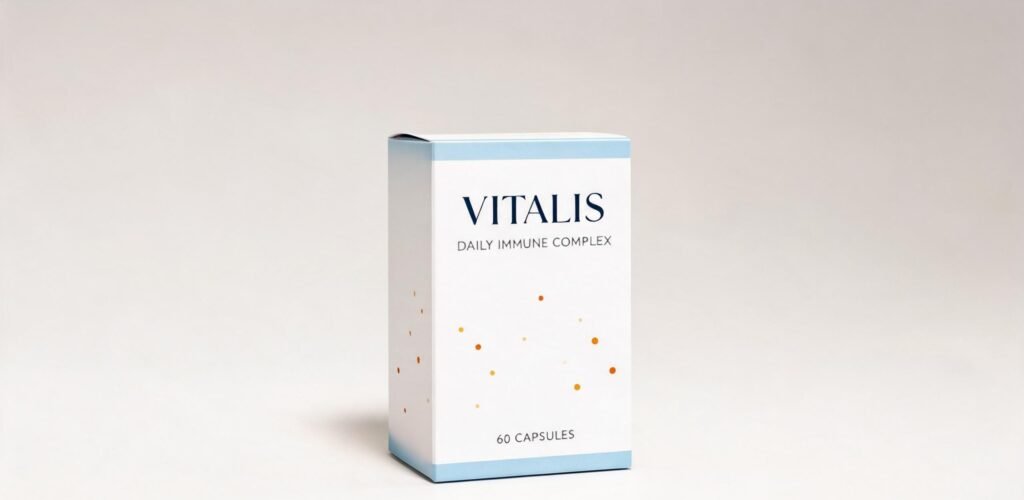
Health and supplement products place more demands on a carton than almost any other category on the shelf. The box must shield moisture-sensitive tablets, hold up on an automated filling line, carry a compliant label, and still look credible sitting next to clinical claims. When the structure is wrong, you find out at the worst possible moments: a filling machine that jams on flimsy board, a facts panel that does not fit, or dented cartons arriving at a retail dock. This guide walks through the structural decisions behind health and supplement packaging boxes — board selection, tuck configuration, tamper evidence, barriers, and cost — so you can brief your supplier with specifics instead of adjectives.
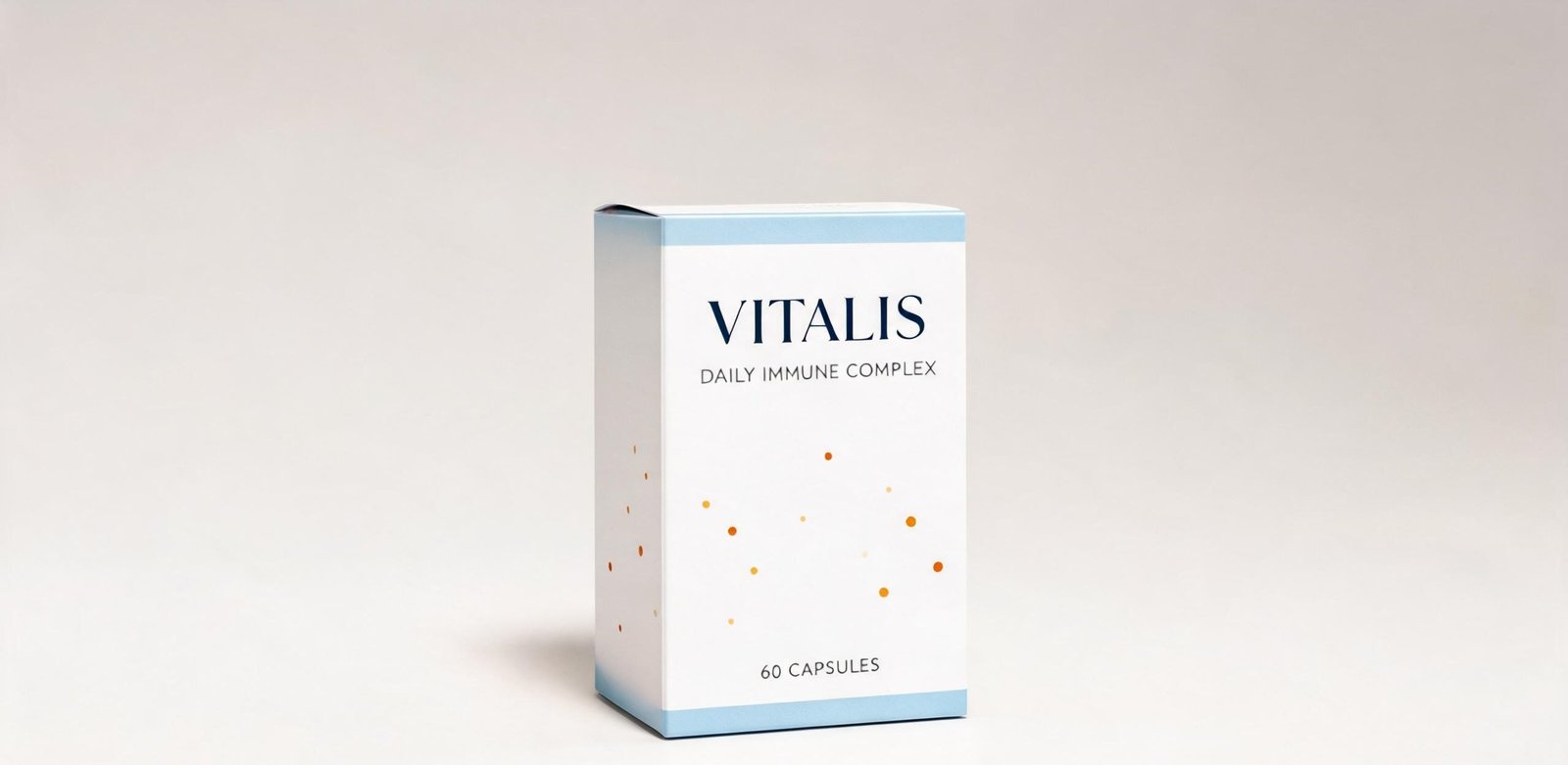
Start With the Product, Not the Artwork
Before you think about colors or finishes, quantify the product. Count units per carton, weigh a filled count, and measure the tallest dimension of a single tablet, capsule, or softgel. A 60-count bottle has different geometry from 30 sachets or a blister wallet, and the board decision follows from that geometry.
Most supplement cartons use 300–350 gsm white folding boxboard or 16–18 pt SBS. Heavier counts, glass bottles, or two-piece kits justify 400 gsm or a lined corrugated insert. Three checks keep you out of trouble:
- Compression: a filled carton stacked eight high inside a retail shipper needs board caliper and glue-flap integrity that resist bulging.
- Crack resistance: die-cut score lines must survive folding without cracking the coating, especially when cartons ship into dry climates.
- Food contact: if tablets touch the board directly, specify food-grade, grease-resistant stock rather than standard carton board.
Also think about how the carton will be opened in daily use. A count that lasts a month gets opened thirty times, and a weak tuck flap looks tired after a week on a bathroom shelf. Compression strength, scoring quality, and opening feel are structural properties — they are decided at the dieline stage, long before anyone talks about print. Share your fill weight and unit geometry with your supplier before a dieline is drawn. At Criio, the dieline and design assistance are free, so iterating on structure costs you nothing but time.
Tuck-End Structures That Survive the Filling Line
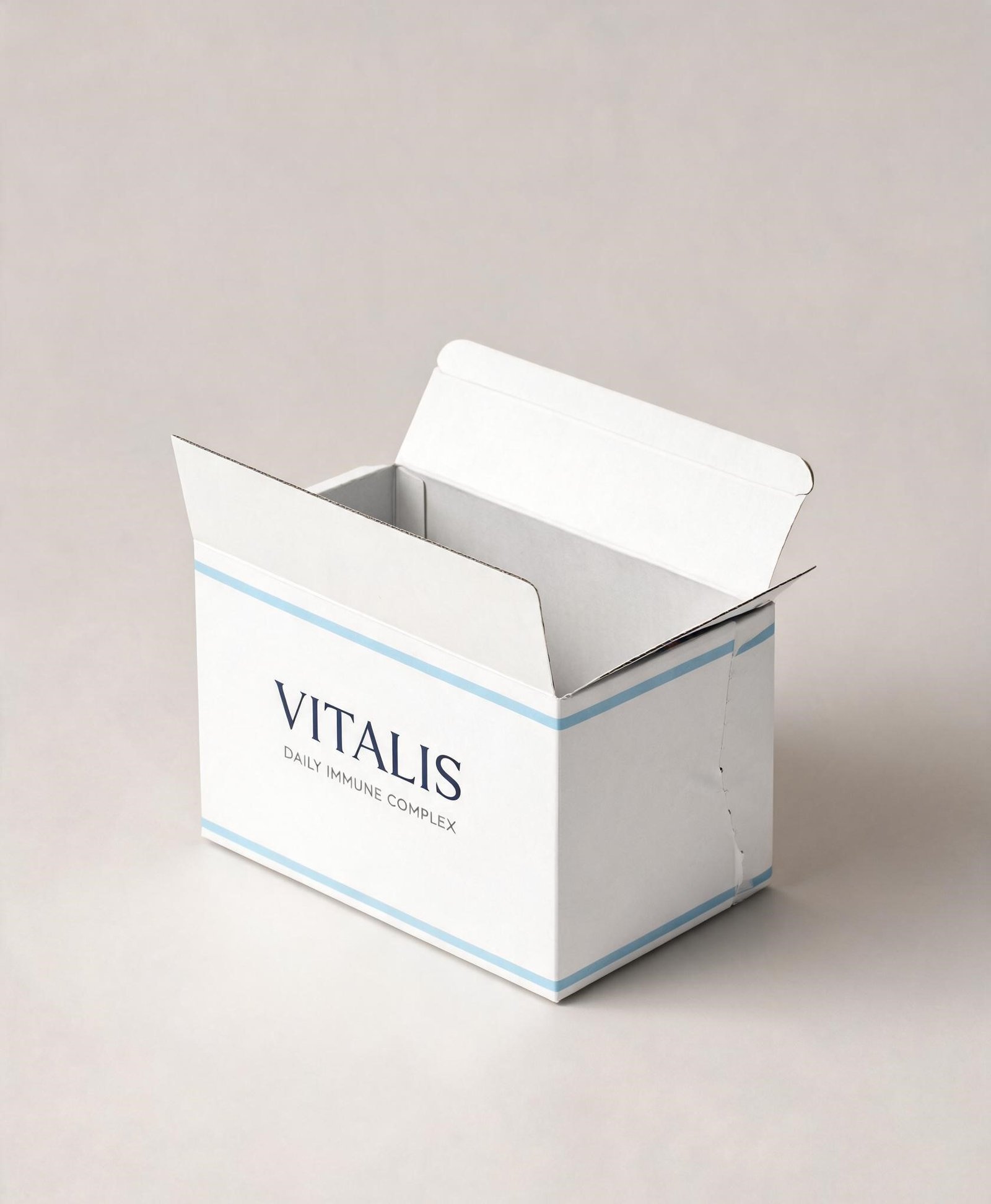
The most common failure on a supplement line is not a bad print job — it is a tuck flap that pops open as the carton exits the machine, or a glue seam that splits under compression. Structure choice decides this, so know the four configurations that cover most briefs:
- Straight tuck end (STE): both tuck flaps come from the same panel, keeping the front face unbroken. Best for counter display where the top faces the shopper.
- Reverse tuck end (RTE): flaps come from opposite panels, which saves board and speeds hand packing. It is the workhorse for blister-backed counts.
- Crash-lock (auto-bottom): the base folds and glues flat, then snaps into shape under pressure. If your co-packer wants faster changeovers, this is the upgrade to request.
- Hinged-lid structures: a front-hinged closure suits two-piece kits, gummies in trays, or trial sizes that get merchandised on a counter.
Match the tuck friction to your line. Too loose and the carton opens in transit; too tight and operators slow down or crush corners. Print interacts with structure as well — soft-touch coatings add grip in magazine-style feeders, and heavy foil accents can crack on score lines. Decide finish alongside structure, not after, so the sample you test reflects what bulk will actually feel like. A physical sample is the only reliable test, so run one before committing to bulk.
Designing Panel Space for Compliant Labeling
Dietary supplement labeling leaves little room for improvisation. In the United States, the FDA expects a statement of identity, net quantity of contents, the Supplement Facts panel, an ingredient list, and the name and place of business of the manufacturer — and the Supplement Facts panel carries minimum type-size rules tied to the size of the panel itself. If your carton is small, the panel is small, and the type must still be legible.
Plan the back and one full side panel for regulatory content before you commit to a design. In practice that means:
- Reserve the largest uninterrupted rectangle on the back panel for the Supplement Facts table.
- Keep a clear vertical band on one side panel for the ingredient list and warnings.
- Confirm barcode quiet zones against your retailer spec sheet — a beautiful side panel with no space for a UPC gets reprinted.
Do not forget warning statements either. Prop 65 notices, allergen notes, and keep-out-of-reach-of-children lines all need permanent, legible space. Assign them a panel early; squeezing them into leftover white space is exactly how reprints happen.
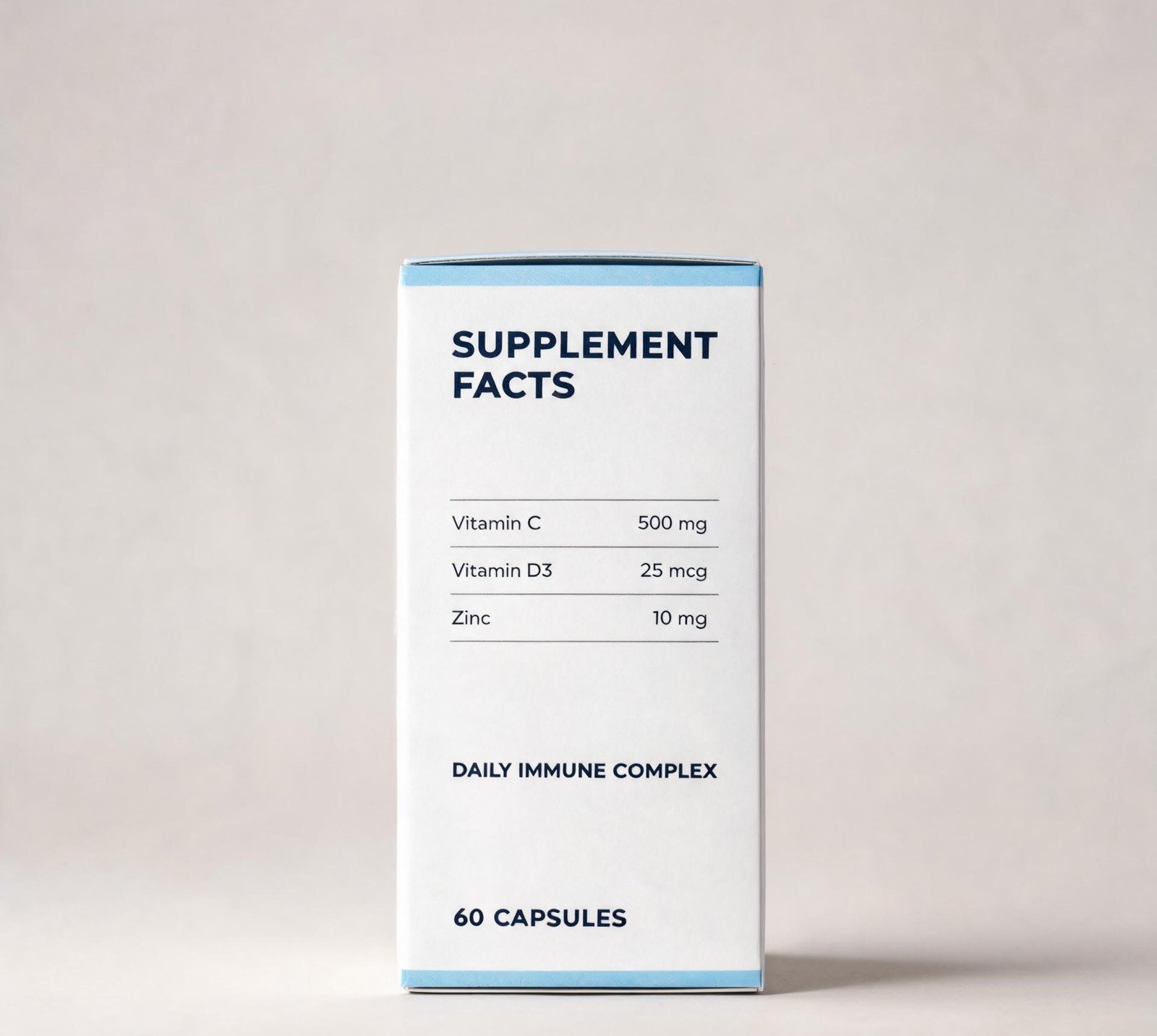
One structural advantage is worth stating plainly: a folding carton prints every panel flat, so compliance content is easy to position and inspect. A rigid box hides panels behind a removable lid or an insert, complicating inspection — one reason most regulated SKUs live in cartons.
Barrier Strategy: Moisture, Light and Odor
Tablets and softgels are hygroscopic. If the carton were the primary barrier, moisture would move through the board and the product would clump, discolor, or fail a stability test. In practice the carton is a secondary layer — the primary barrier is the blister, the bottle, or a sachet — but the carton still matters for light, scent, and shelf presentation. Four options cover most briefs:
- Aqueous or UV coating on the outer board for scuff resistance and light moisture protection.
- Metallized or foil-laminated board when the product is light-sensitive, such as probiotics or omega-3 softgels.
- A sealed foil overwrap bag inside the carton for powders, stick packs, and herbal blends.
- Engineered space for a desiccant or silica sachet — measure it on the dieline instead of improvising at packing.
State your barrier requirement in plain language on the brief. “Light-sensitive at 200,000 IU vitamin A” gives the supplier something to engineer against; “premium quality” does not. And if you sell through marketplaces or other climate-uncontrolled channels, test at worst-case humidity rather than lab conditions — a carton that passes at 25°C and 60% relative humidity can still fail a summer in a delivery truck. Run accelerated stability with the actual packaging configuration: carton, blister, and desiccant together, because the layers work as a system.
Structure Compared: Folding Carton vs Rigid Box vs Mailer
Three structures dominate the health aisle, and picking the wrong one usually shows up in unit economics. Use this table to match structure to SKU:
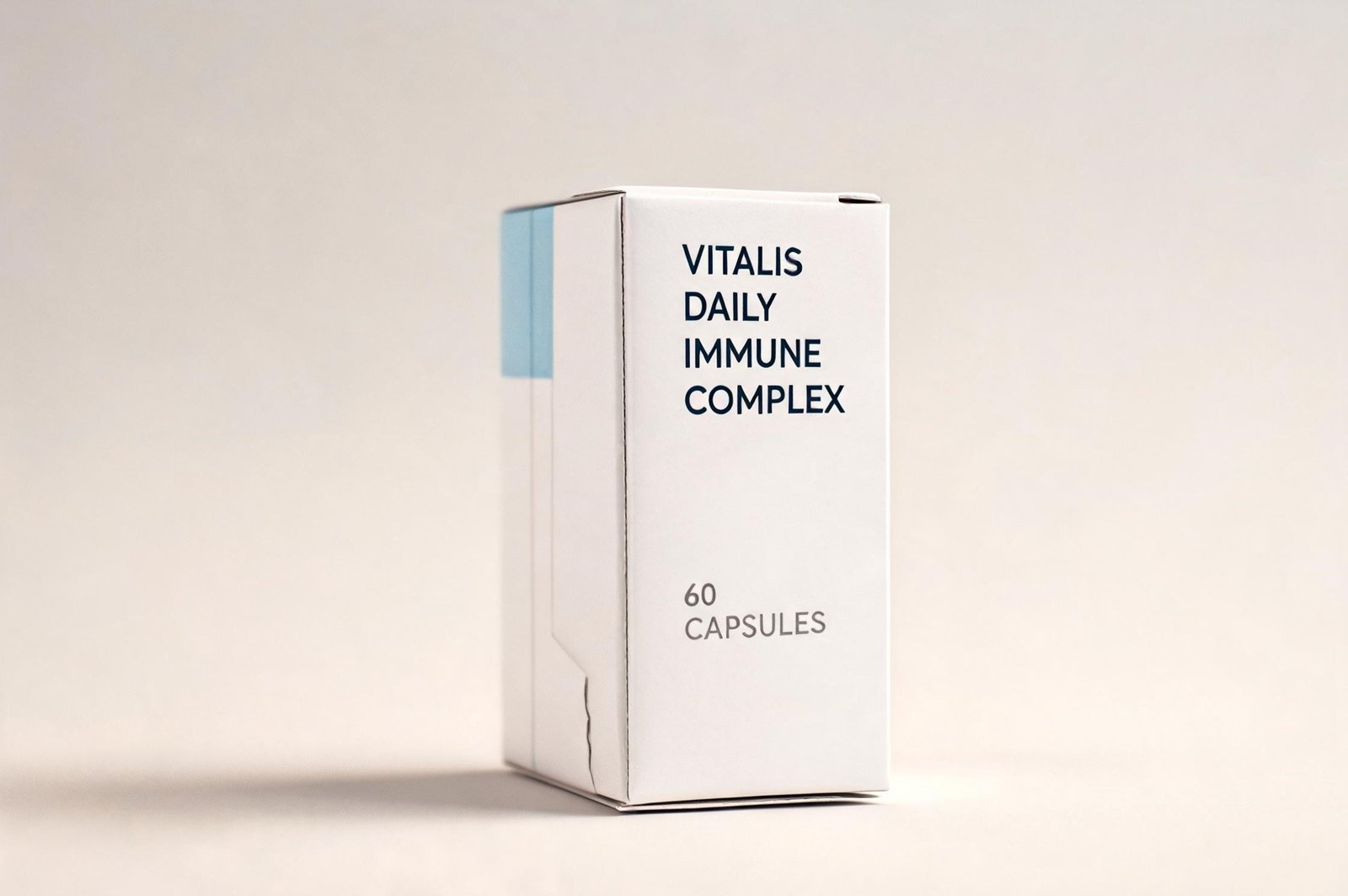
| Structure | Best For | Typical Board | Relative Unit Cost | Watch-Outs |
|---|---|---|---|---|
| Folding carton, tuck end | Bottles, blisters, sachets | 300–350 gsm SBS | Low | Needs a primary barrier inside |
| Folding carton, crash-lock | Co-packed lines, speed | 300–400 gsm SBS | Low to medium | Slightly more tooling than RTE |
| Rigid lid-and-base box | Premium kits, gift sets | 1.5–3 mm greyboard wrap | High | Extra weight raises freight cost |
| Magnetic rigid box | Subscription refill boxes | Greyboard with magnets | High | Overkill for single-bottle SKUs |
| Corrugated mailer | E-commerce DTC bundles | E or B flute, kraft or white | Medium | Weaker retail shelf presence |
| Sleeve plus tray carton | Multipacks, variety packs | Board tray, printed sleeve | Medium | Sleeve registration needs QC |
| Counter display shipper | Pharmacy and clinic retail | B flute with cartons inside | Medium | Ask for retail-ready tear strips |
If you sell direct to consumers, many brands combine two structures: a printed folding carton for the retail-ready bottle count, packed inside a corrugated mailer for transit. Keep both under one supplier so board tones, whites, and brand colors match across the layers — mismatched whites between carton and shipper are a common, avoidable giveaway.
Cost, MOQ and Lead Times You Can Plan Around
Folding cartons are priced by board, size, print coverage, and finish — but what usually decides whether a project moves forward is the minimum order and the calendar. Reasonable benchmarks for custom supplement cartons: MOQ from 500 pcs per design, printed samples in 3–5 days after dieline approval, and bulk production in 7–15 days depending on finishes. Every order passes a pre-shipment QC inspection before it leaves the floor, shipping is arranged worldwide, and FSC-certified board is available on request if sustainability claims matter to your retail partners.
Two cost levers are worth understanding before you negotiate. First, board is bought by the ton and priced by the sheet, so carton size matters more than ink: shrinking the dieline by 5 mm can move unit cost more than removing a spot color. Second, finishes stack — each coating, foil, or window adds a pass, and passes add both cost and days. Choose one signature finish and let structure carry the rest.
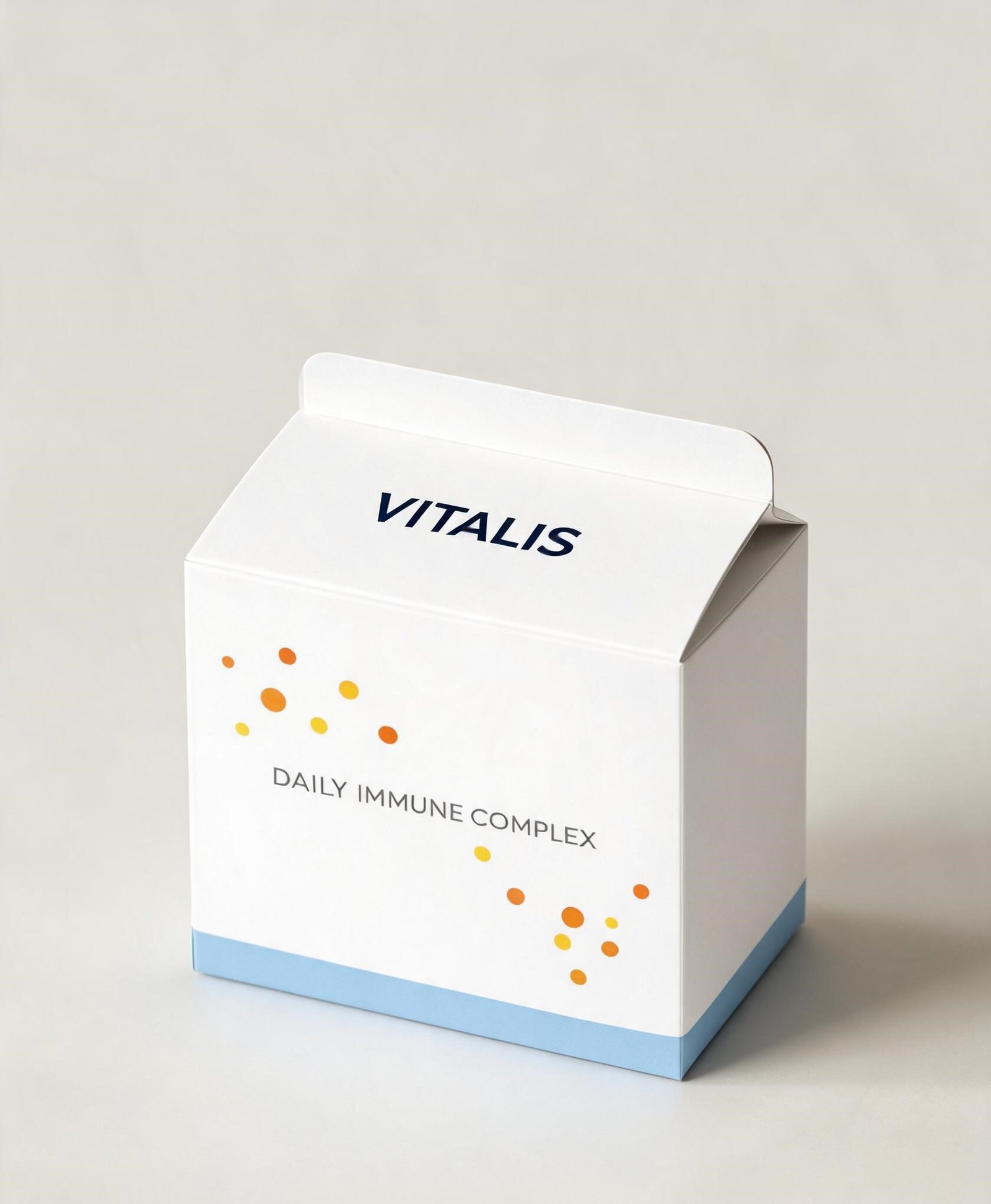
A workflow that avoids reprints:
- Send product dimensions, fill weight, and the target count per carton.
- Receive and approve a free dieline — check it against your Supplement Facts panel size.
- Order a printed sample and run it on the actual filling or packing line.
- Approve the sample, then commit to bulk with a locked artwork version.
Brief It Once, Brief It Right
The brands that avoid packaging disasters are rarely the ones with the biggest budgets. They are the ones that hand over a complete brief — geometry, barriers, compliance panel sizes, and line speed — before artwork starts. Browse the folding carton boxes catalog and the personal care boxes catalog to see structures and finishes in context, or start from a proven base such as the folding carton health boxes and the folding carton product boxes for personal care. When you are ready to spec a carton, send the brief through the Criio contact page and the team will return a dieline and a quote.